Wednesday, August 2, 2017

These 9 Beginner Photography Tips Will Up Your Game in no time ( Part 2 )

5 : Stop avoiding flash

Far too little is being said on beginner photography sites and forums about lighting. There’s been a major change in how we light our subjects in recent years, and it mainly consists of using ambient and natural light as opposed to crafting the light with one or more flashes. I would guess it’s mostly because of how good camera sensors have gotten in low light conditions. While I fully support the choice of natural light for a wide variety of subjects and situations, I cannot help but feel disappointed that so many photographers, including internationally acclaimed professionals have stopped using creative lighting and are now using soft, natural light. Again, I am not saying this is a bad thing. I just think having a very good understanding of how light works (and I am not just talking about shooting in soft light and avoiding shadows here) and shaping it in the way you want can take you a very long way.
6: Find your favorite focal length

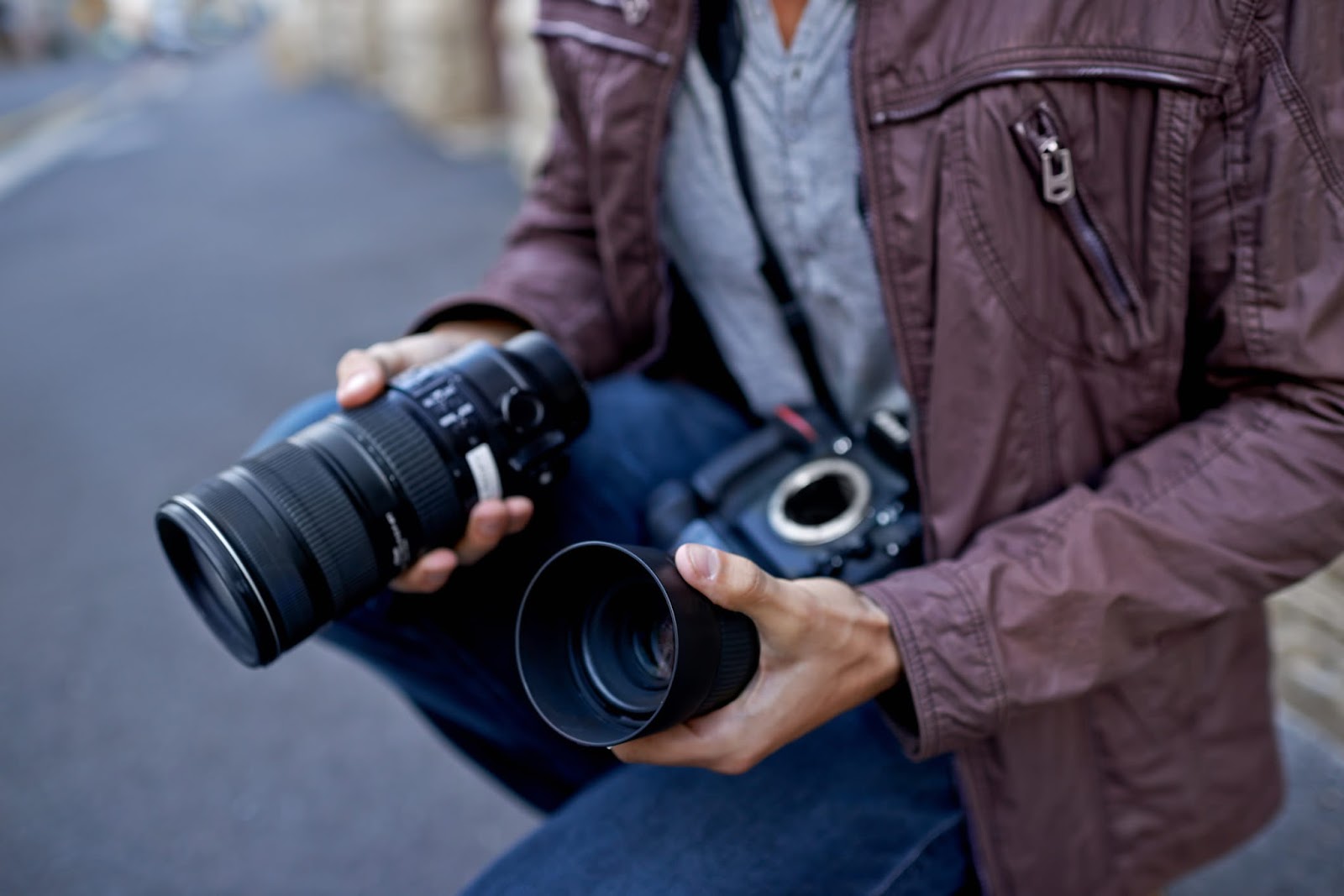
Having a focal length that you feel comfortable with will help you take a lot of great shots in the future. Of course it all depends on what kind of photos you like to take. If you’re into portraits, it can be anything from 50mm to 200mm or more. My personal favorite length is 35mm because of its versatility. Once you find this sweet spot, make sure not to overuse it. Even if you love taking portraits with an 85mm lens, you should occasionally alternate with a longer or shorter focal length. Diversity and creativity go very well together.
7: Always be shooting

This single piece of advice is in every beginner photography article and while I don’t like repeating what others have already mentioned, it is very important and that’s why it is on this list. To always be shooting means having your creative senses turned on at all times and your phone handy, ready to capture whatever interesting subject you run into. It’s a no brainer that if you want to get good at something, you have to perform that action a lot.
8: Revisit your work

The way you feel about the photos you took last week will change dramatically a few years from now. A shot you might be proud of today will then seem a naïve attempt at something great. But you can also be in for a few surprises as you might discover great shots that at one time you thought were completely uninteresting. That’s because your perception and visual education will change over time and so will the way you value your own work and the work of others.
9: Have an idol


All artists have influences and it should be no different for the beginner photographer. Find a photographer whose work you love and feel inspired by. Just make sure you set a clear boundary between inspiration and imitation. Over the years you also might find that you will change preferences when it comes to photographers you admire. Just so you know this is a totally normal sign of a healthy creative evolution.

Sunday, July 23, 2017

These 9 Beginner Photography Tips Will Up Your Game in no time

Beginner photography is one of the coolest stages in the process of becoming a serious amateur or a pro. It is now that you will learn and absorb information with great appetite and it will be a time of growth that you will later on remember with fondness. It doesn’t really matter how you choose to start your path as a beginner in photography. Some people have great success with formal education, and although I personally don’t believe you need to go to art school to become a great photographer, it does have its perks. Others just pick up a camera, read a lot, watch an insane number of video tutorials and shoot massively.


I’ve got nine awesome beginner photography tips that will speed up your evolution dramatically. It doesn’t matter if you’re a 19 year old art student or a retired engineer with a new exciting hobby. Follow these tips and you’ll be on your way to creating powerful images in no time.

      1.      “Crop” with the viewfinder


Cropping and straightening an image is basic editing every photographer should know how to do. But how about getting it right when you frame the shot? The famous photographic cooperative Magnum doesn’t accept portfolios that feature cropped photos. I’m not saying you should be that restrictive with yourself, but the point to this exercise is to help you master composition and to find the best frame in the shortest amount of time, no matter the subject or focal length.

      2.      Have at least one prime lens


Prime lenses are notorious for their lack of compromise in terms of image quality. A cheap 50 mm lens can produce almost the same image quality as a $2,000 pro zoom when in the right hands. Using a prime lens will force you to work harder when framing and it will also make you move around a lot.This too will help maintain the habit of constantly looking for a new perspective. Believe me when I say this is one good habit to have in the long run.

      3.      Ignore the rule of thirds


With so many beginner photography tips all over the internet, it’s very easy to end up doing exactly the same thing everyone else is. I’m not saying you should ignore the rule of thirds all together because sometimes it just is the best way to go, but don’t let it be the first method of framing when looking through the viewfinder. Don’t forget about the golden ratio and above all, remember you have a rich imagination that you can express in that tiny rectangle.

      4.      Meet with other photographers


Networking as a beginner photographer is not only fun, but very useful. You can learn unexpected lessons from your peers and they can also help you with constructive criticism when it comes to your work.

Stay with us for the next part of this articles. Thank you!